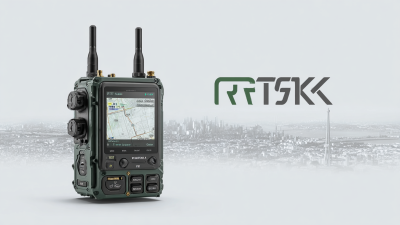
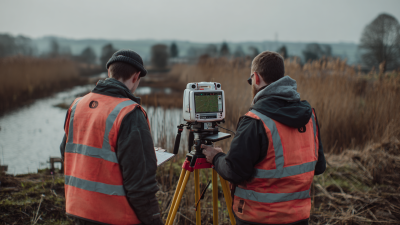
In today's world of precision farming that's constantly changing, GNSS Rtk Base Stations really play a crucial role. They provide much better accuracy when it comes to locating things, giving farmers a dependable way to manage their land more efficiently. Companies like Trimble and Leica Geosystems have been leading the way with some pretty advanced GNSS tech. Their RTK Base Stations can do real-time corrections, which honestly can really improve farming practices.
That said, farmers should take a moment to weigh their options carefully. The best choice depends on things like the terrain they’re working with and the types of crops they’re growing. Some folks might have great success with certain brands, while others might find they're not quite what they need. It really highlights how important it is to pick the right equipment for your specific situation.
At the end of the day, a good GNSS RTK Base Station can make a huge difference in boosting productivity. But, only if you pick wisely. The tricky part is understanding what you actually need and knowing the details about each system’s features. Being aware of these things can save you from making costly mistakes and help ensure that the technology actually does what it's supposed to do.
The Importance of GNSS RTK Base Stations in Precision Farming
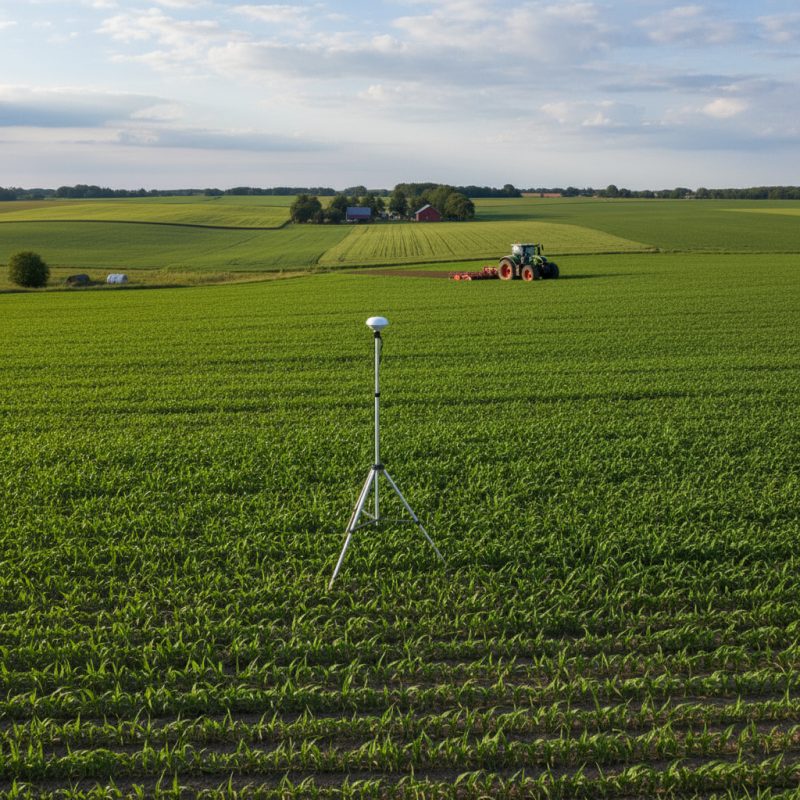
Gnss Rtk Base Station play a pivotal role in precision farming. These systems provide real-time, sub-centimeter accurate positioning. This technology is crucial for tasks such as plowing, planting, and harvesting. Farmers can optimize their operations, increase yield, and reduce resource waste. According to the Precision Agriculture report, using Gnss Rtk Systems can improve crop efficiency by up to30%.
Investing in a GNSS RTK base station might seem daunting. However, the benefits outweigh the costs for many farmers. The initial investment can lead to substantial savings in labor, fuel, and inputs over time. It is essential to assess your specific needs when selecting a system. You might find that certain features are unnecessary for your operations.
Tips: Always consider local topography. Uneven terrain can affect signal quality. Regularly maintain your GNSS RTK base station for optimal performance. Additionally, keep an eye on advancements in technology. Innovations are rapidly transforming the precision farming landscape. Embracing these changes can keep your farming practices competitive and efficient.
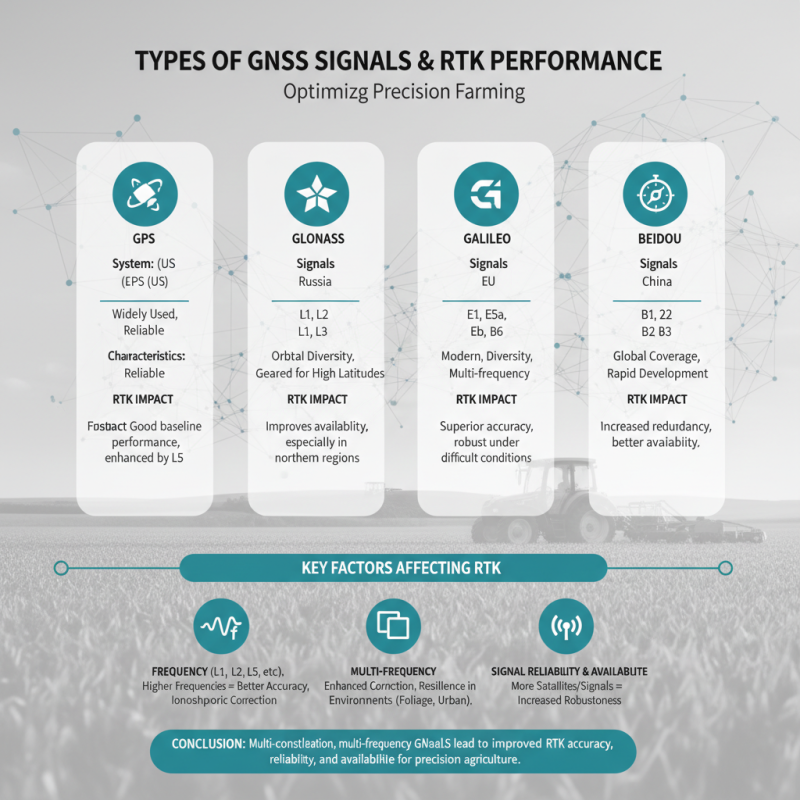
Types of GNSS Signals and Their Impact on RTK Performance
The choice of GNSS signals significantly influences the performance of RTK (Real-Time Kinematic) systems in precision farming. Different GNSS systems, such as GPS, GLONASS, Galileo, and BeiDou, transmit unique signals. These signals vary in frequency, which affects accuracy, reliability, and availability. For instance, multi-frequency signals allow for better correction capabilities, especially under challenging conditions like dense foliage or urban environments.
In rural areas, the availability of signals can fluctuate. A farmer relying solely on a single GNSS system might encounter discrepancies due to signal blockages. Signals from trees, buildings, or even weather patterns can degrade performance. Positioning devices must continuously track multiple satellites to maintain precision. This challenge emphasizes the importance of leveraging diverse GNSS constellations. By synchronizing data from various signals, farmers can enhance their navigational accuracy and operational efficiency.
Understanding how GNSS signals impact RTK performance is crucial for farmers. They must evaluate their specific fields and conditions to choose the right base station settings. Utilizing multi-constellation systems can lead to better yield outcomes. Yet, not all regions have equal access. Farmers must be prepared for potential signal degradation and its consequences on their precision farming practices. Balancing technology and nature’s unpredictability is key to successful agricultural operations.
Key Features to Look for in Wholesale GNSS RTK Base Stations
When choosing a GNSS RTK base station for precision farming, several key features are essential. Precision is paramount. According to the International Society for Agricultural Engineering, accurate positioning can increase crop yields by up to 30%. Therefore, look for stations that offer centimeter-level accuracy. This precision is often achieved through advanced algorithms and multi-constellation support.
Connectivity options are also vital. Many reports highlight that real-time data transmission enhances efficiency in farming operations. Stations that support multiple communication protocols, like NTRIP and RTK over cellular, provide more flexibility. Consider the durability of the equipment. A robust construction is necessary for harsh agricultural environments. Stations must be resistant to dust and moisture to ensure longevity.
Battery life shouldn't be overlooked. A study from the American Society of Agricultural and Biological Engineers notes that inadequate battery life can disrupt operations. Choose stations that offer extended usage times. Ease of setup is another factor. Farmers often seek simple installation processes to minimize downtime. However, some systems may require complex configurations, which can be frustrating. Selecting a user-friendly interface can alleviate this issue.
Market Analysis: Leading Brands and Their Offerings in 2026
In 2026, the market for GNSS RTK base stations is evolving rapidly. Farmers seek accurate positioning tools for precision agriculture. Various brands are stepping up to meet this growing demand. The technology offers essential benefits, such as improved crop management and yield optimization. However, not all products function seamlessly in diverse rural environments.
Emerging brands are increasingly prioritizing user experience. They develop intuitive interfaces to help farmers navigate complex systems. Yet, some consumers report frustrations with connectivity issues and inconsistent performance. Effective troubleshooting resources remain critical for user satisfaction. Additionally, the price points vary widely, impacting access for smaller farms.
Innovation is a key focus area as well. Some brands are integrating IoT capabilities to enhance real-time data analysis. Yet, this can complicate installation and maintenance. Farmers must weigh the benefits against potential technical challenges. As these products continue to evolve, the importance of reliable customer support cannot be overstated.
2026 Best Wholesale GNSS RTK Base Station Options for Precision Farming
Cost-Benefit Analysis of Investing in GNSS RTK Technology
Precision farming has become a cornerstone of modern agriculture. Investing in GNSS RTK technology is a significant decision for farmers. A cost-benefit analysis provides valuable insight. According to recent reports, precision agriculture can increase crop yield by 15% on average. This statistic underscores the potential return on investment.
When evaluating GNSS RTK options, costs may seem daunting. However, Small Gnss Base Station For Rtk Applications can lead to long-term savings. For instance, some reports indicate that utilizing RTK technology can reduce input costs by 20% through optimized planting and resource management. Farmers should consider both the initial investment and operational savings over time.
Moreover, the accuracy offered by GNSS RTK ensures better resource utilization. Data shows that precision technology can lower fertilizer use by 10-15%. Still, not all RTK systems offer the same performance. Analyzing specific needs and evaluating equipment efficiency is essential. Understanding these nuances can lead to informed decisions in an evolving agricultural landscape.
Integration of GNSS RTK with Other Precision Agriculture Tools
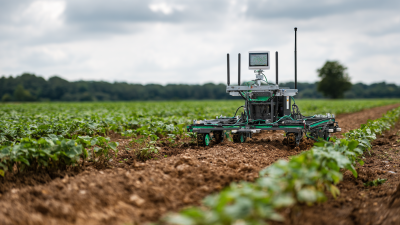
Integrating GNSS RTK technology with other precision agriculture tools enhances farming efficiency and accuracy. Farmers can now leverage real-time kinematics (RTK) to improve their field operations. The adoption of a Gnss Base Station allows for precise guidance of tractors and other machinery, reducing overlaps and minimizing input costs.
Furthermore, adding sensors and drone technology to the mix presents exciting opportunities. Sensors can collect soil data which, when paired with GNSS data, can inform better planting strategies. However, the integration process is not always smooth. Farmers may face challenges in aligning data from various sources or troubleshooting technical issues.
Another aspect to consider is the learning curve. Operators need training to maximize the benefits of these advanced tools. The quality of input data is crucial, as errors can lead to poor decision-making. Embracing a GNSS Base Station should be part of a holistic approach to farming, addressing both technology and user readiness. Balancing these elements can significantly enhance precision agriculture outcomes.
2026 Best Wholesale GNSS RTK Base Station Options for Precision Farming
| Model | Accuracy (cm) | Range (km) | Integration with Tools | Price (USD) |
| Model A | 2.5 | 10 | Drones, Tractors | 1500 |
| Model B | 1.5 | 15 | Sprayers, Sensors | 2000 |
| Model C | 2.0 | 12 | Harvesters, Irrigation | 1800 |
| Model D | 2.8 | 20 | Soil Sensors, Management Software | 2300 |
| Model E | 1.0 | 5 | Seeders, Fertilizers | 1200 |
Future Trends in GNSS RTK Technology for Sustainable Agriculture
Investing in GNSS RTK technology is vital for sustainable agriculture. Farmers increasingly rely on these systems for precise positioning. Accurate data can enhance crop yields. However, understanding future trends is key. Innovations in Base Station For Gnss will likely focus on improved accuracy and reduced latency. This means that farmers can achieve even better results.
Consider the integration of machine learning. Advanced algorithms can analyze data in real-time. This will allow for smarter decision-making in the field. As we see more affordable GNSS RTK options, more farmers can adopt these technologies. However, the challenge remains. Some may struggle with the initial learning curve. Staying updated with the latest advancements is essential.
Tips: Regularly calibrate your Base Station for GNSS to maintain accuracy. Engage with online forums dedicated to precision farming. These communities offer valuable insights and shared experiences. Embrace changes, but don't rush into new technology without thorough research. Strive for a balance between innovation and practical application in your farming practices.
Maximize Precision in Land Surveying with the Japan Brand Topcon GM52 Total Station: A Comprehensive Guide
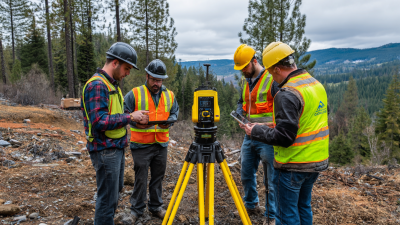
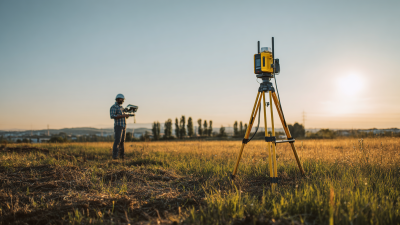
In the field of land surveying, precision is paramount, and selecting the right tools can make all the difference. The Topcon GM52 Total Station stands out as a sophisticated solution designed to enhance accuracy and efficiency on construction and survey sites. With integrated construction and survey application software, users can optimize workflows while conducting complex measurements with ease.
One of the standout features of this total station is its advanced electronic distance measurement (EDM), which delivers remarkable accuracy of 1.5mm + 2.0ppm when using a prism and 2mm + 2ppm in reflectorless mode. The capability of reflectorless measurement extends up to 500 meters, ensuring flexibility in various surveying scenarios, while the prism range reaches an impressive 4,000 meters. This extended reach, coupled with an angle accuracy of 2", underscores the tool's reliability for precise measurements even in challenging environments.
Moreover, the dual keyboard functionality (available in the 2” model) improves user interface efficiency, while Bluetooth communication allows for seamless data transfer and connectivity. Designed with durability in mind, this total station features an IP66 rating, guaranteeing resistance to dust and water, making it suitable for outdoor use under a variety of conditions. By leveraging these innovations, professionals can maximize their precision in land surveying and achieve outstanding results in their projects.
FAQS
: GNSS RTK base stations provide real-time, sub-centimeter accurate positioning for tasks like plowing and planting.
These systems can improve crop efficiency by up to 30%, increasing yield and reducing resource waste.
While it might seem expensive, the long-term savings in labor, fuel, and inputs typically outweigh the initial costs.
Assess specific needs and determine which features are essential for your operations to avoid unnecessary spending.
Uneven terrain can impact signal quality, affecting the overall effectiveness of the positioning system.
Regular maintenance is crucial for optimal performance, ensuring systems function well over time.
Precision technology can reduce fertilizer use by 10-15%, leading to better resource management and sustainability.
No, performance can vary, so it’s important to analyze specific needs and evaluate system efficiency carefully.
Rapid advancements are emerging, making it necessary for farmers to stay updated to remain competitive and efficient.
Understanding equipment nuances and the costs versus savings can be challenging but is necessary for informed decision-making.
Conclusion
The article discusses the critical role of GNSS RTK base stations in precision farming, highlighting their significance in enhancing agricultural efficiency and accuracy. It explores various types of GNSS signals and how they influence RTK performance, noting that the choice of a GNSS RTK base station can impact overall productivity in farming operations.
Key features to consider when selecting wholesale GNSS RTK base stations are identified, focusing on performance metrics and compatibility with existing agricultural tools. A market analysis reveals the current landscape of GNSS RTK technology for 2026, alongside a cost-benefit evaluation that illustrates the financial advantages of investing in this technology. Finally, the article examines the integration of GNSS RTK with other precision agriculture tools and anticipates future trends that will further promote sustainable agricultural practices.