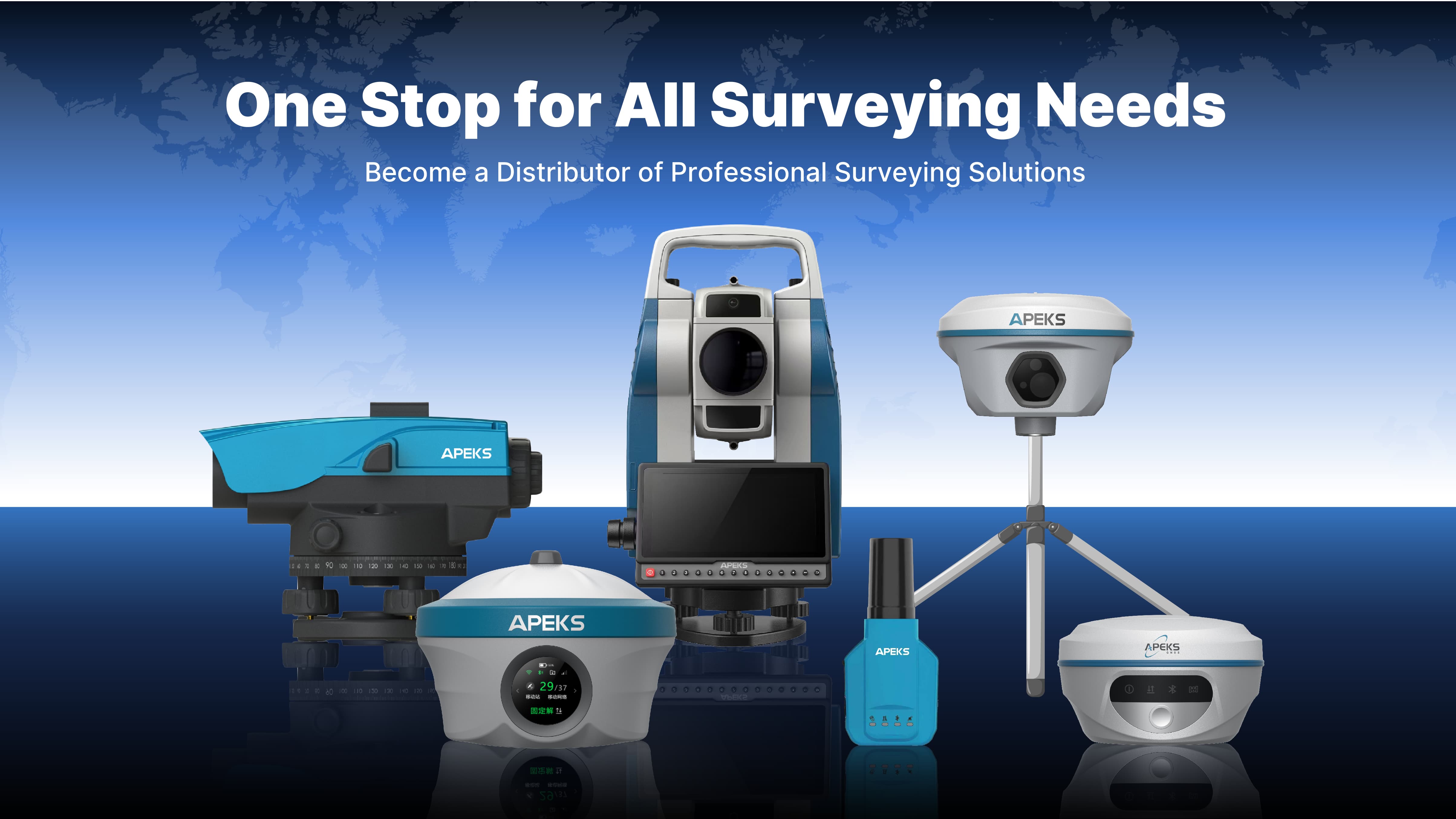
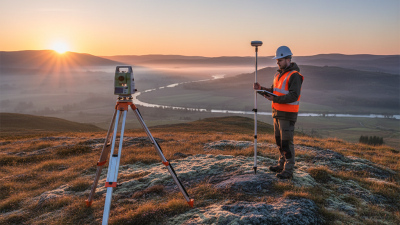
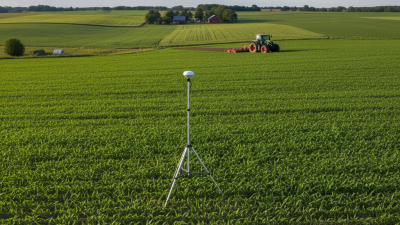
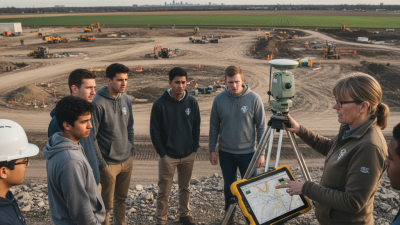
In the fast-paced world of surveying and mapping, Gsss Gps Rtksolutions really stand out when it comes to accuracy and reliability. I came across a report from MarketsandMarkets; it says the RTK market is expected to grow at about 14.2% CAGR from 2022 to 2027. That’s pretty significant, and it shows just how much demand there is these days—whether you’re into agriculture, construction, or transportation. John Smith, a well-known expert in GNSS tech, even pointed out, “Gsss Gps Rtk Systems are totally changing the game when it comes to data accuracy.”
For folks around the world looking to pick the right Gsss Gps Rtk solution, it can get a bit overwhelming with so many options out there. Lots of companies claim their products are super innovative, but sometimes they might fall short on accuracy or support. Since this industry is so competitive, really understanding your specific needs is key—otherwise, you might end up with performance issues. Doing your homework and digging into details is definitely worth it.
Bottom line, choosing a Gsss Gps Rtk system isn’t just about grabbing the first shiny thing you see. You gotta look at features, reputation, and whether it actually fits your project's requirements. It’s a buyer’s market, but a little research can go a long way. And with ongoing advances in this space, there’s a lot of room for growth and new improvements down the road.

Overview of GSSS GPS RTK Solutions for Global Buyers
The landscape of GNSS technology is evolving rapidly, especially in the realm of Rtk Gpssolutions. Global buyers are increasingly seeking reliable and Precise Positioning tools. Recent studies highlight that theRtk Gps market is projected to grow by 15% annually through 2025. This surge reflects the increasing reliance on accurate data in agriculture, construction, and surveying.
A comprehensive overview reveals integral features that buyers often prioritize. Most solutions emphasize centimeter-level accuracy, real-time data transmission, and easy integration with existing systems. Notably, the demand for mobile applications in RTK GPS has risen, accommodating users who need flexibility in various environments. However, challenges exist, such as signal interference and the technical know-how required for optimal system setup.
Global buyers might find it overwhelming to compare options without adequate support. Common concerns include the initial investment and ongoing maintenance costs. While the technology promises groundbreaking improvements, the learning curve can be steep. It’s crucial for buyers to reflect on their specific needs, ensuring they choose a solution that aligns with their operational goals and capabilities in the intricate world of RTK GPS.
Key Features to Consider in GPS RTK Solutions
When selecting Gps Rtk solutions, it's essential to prioritize key features. Accuracy is the most critical aspect. High-resolution data is vital for applications like surveying, mapping, and precise agriculture. According to industry reports, solutions with centimeter-level accuracy are preferred. This level of precision directly impacts project outcomes, ensuring efficient use of resources.
Another important feature to consider is the system's reliability. GPS RTK solutions should provide stable signals under various conditions. Disruptions due to urban canyons or dense foliage can impact performance. Some reports indicate that over 30% of users faced issues related to signal integrity. Users often find that investing in robust antennas and receivers can significantly improve reliability.
User-friendliness is also a necessary aspect. Complex software can be a hindrance to effective usage. Simplicity and ease of navigation are crucial for enhancing productivity. Additionally, compatibility with other technologies, such as GIS systems, can streamline workflows. Yet, many users report frustration with integration challenges. This highlights the need for thorough evaluations before committing to a specific GPS RTK solution.
Top 10 GPS RTK Solutions - Key Features Comparison
Top 10 GSSH GPS RTK Solutions for Global Market
In the rapidly evolving landscape of GPS RTK technology, the demand for reliable solutions continues to grow. With the global GPS RTK market projected to reach $10 billion by 2026, industry experts highlight the value of high-precision GNSS systems. Many buyers seek options that integrate Gps Rtk Imu technology for enhanced performance, enabling real-time positioning with centimeter-level accuracy.
Despite the urge for innovation, not all GPS RTK solutions meet the rigorous standards. A recent study revealed that up to 30% of users experience inconsistent data reliability. This inconsistency often stems from environmental factors such as signal interference. It underscores the importance of choosing systems that effectively manage these variables.
As the market evolves, aligning with the best practices in deployment and implementation becomes crucial. Industry analysts emphasize the need for robust training programs. Users who understand their devices can mitigate errors caused by improper settings. Greater engagement with user feedback can drive improvements in future GPS RTK offerings and ensure their reliability in varied applications.
Comparison of Accuracy and Performance in GSSS Solutions
When selecting GSSS GPS RTK solutions, accuracy and performance are crucial. Many solutions vary in their precision levels due to positioning algorithms and hardware quality. Some systems may promise real-time centimeter-level precision, but achieving this consistently can be challenging. Environmental factors, such as urban canyons and tree cover, can interfere with signals and reduce accuracy.
Performance also hinges on user experience. Advanced systems might require extensive setup and calibration. Some users struggle with understanding the technical requirements. A user-friendly interface can improve accessibility, but it may not compensate for inherent accuracy issues. Real-world testing often reveals discrepancies that manufacturers might overlook during marketing.
Buyers must weigh these factors carefully. It’s essential to seek reviews or case studies from trusted sources before committing. Comparing the pros and cons of various options can highlight strengths and weaknesses. Understanding limitations can lead to better choices, helping to find a solution that fits specific application needs.
User Reviews and Feedback on Top GSSS GPS RTK Solutions
When exploring GSSS GPS RTK solutions, user reviews significantly influence buyer decisions. Many users praise the accuracy of these systems in various fields, such as agriculture and construction. One user noted that the precision of centimeter-level positioning made a difference in their project outcomes. However, not all feedback is positive. Some users reported issues with connectivity in remote areas. This raises concerns about reliability in critical applications.
The ease of use is another point of discussion. Reviews highlight that certain models are user-friendly, while others have steep learning curves. A user shared their frustration with complicated setup processes, which delayed project timelines. Despite these challenges, the overall sentiment reveals that effective RTK solutions can greatly enhance productivity and data collection accuracy.
For potential buyers, it's vital to weigh these user experiences carefully. Consider what features matter most for your specific needs. Pay attention to varying user experiences, as they can reveal both strengths and weaknesses of each solution. Future buyers could benefit from testing systems that come highly recommended, while also staying aware of potential pitfalls noted in reviews.
Cost-Effectiveness of GSSS GPS RTK Solutions
Cost-effectiveness is a crucial factor when considering GSSS GPS RTK solutions. Many buyers seek affordable options that do not compromise on quality. A well-rounded solution often involves a balance between performance and pricing. With advancements in technology, Gps Rtk Gnss systems are becoming more accessible to diverse users worldwide.
Tips: Assess the features that matter most to you. Identify what aspects influence precision and reliability for your projects. Low-cost options may lack advanced features, which can affect accuracy.
Moreover, consider long-term investments in GSSS GPS RTK systems. A slightly higher initial cost may lead to better outcomes over time. Ensure the solution fits your specific needs based on the application. Assess maintenance and support services too. Untimely service can turn cost-effective systems into costly mistakes.
Finally, reflect on your specific requirements. Prioritize factors like range, connectivity, and user experience. This can help narrow down choices, leading to informed decisions. GPS RTK GNSS solutions vary widely, so crafting a detailed comparison is essential.
Future Trends in GSSS GPS RTK Technology and Market
The future of GSSS GPS RTK technology appears poised for significant developments. Advanced algorithms will greatly enhance positioning accuracy. Expect more applications in agriculture and construction. Users will rely on precise data for decision-making. This trend may shift the focus from traditional methods to more tech-driven solutions.
Moreover, integration with other technologies is on the rise. Drones and IoT devices are becoming commonplace. These tools will work together to streamline processes. Companies must adapt to these changes or risk falling behind. Training and user education will be crucial. As systems become more sophisticated, so does the need for expertise.
Sustainability will also become a priority. The demand for eco-friendly technology is growing. Users want efficient solutions that reduce environmental impact. However, challenges like data security and system reliability persist. Investment in research and development is vital. Companies should reflect on how to address these concerns while innovating.
Maximizing Efficiency in Surveying: The AP10 GNSS Receiver for Diverse Applications
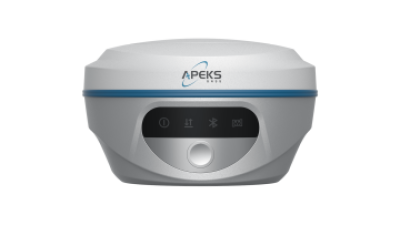
The AP10 GNSS receiver stands out as a powerful and cost-effective tool designed for maximizing efficiency in surveying across various applications. With its impressive Real-Time Kinematics (RTK) capabilities, the AP10 is tailored for diverse tasks in challenging environments, ranging from topographic surveys to construction site projects. According to recent industry reports, adopting advanced GNSS technology can significantly reduce surveying time by up to 50%, allowing professionals to complete projects faster without sacrificing accuracy.
The versatility of the AP10 GNSS receiver makes it an ideal choice for surveyors and contractors. Its robust features support operation in any topographic setting, ensuring reliable data collection and precise measurements. A study by the International Journal of Geographical Information Science highlights that the integration of high-performance GNSS receivers has improved data reliability in surveying processes, leading to enhanced project outcomes. The AP10 excels in this area, offering efficient stakeout functionalities, crucial for urban planning and land development tasks.
Moreover, the cost-effectiveness of the AP10 allows teams to invest in high-quality equipment without straining budgets, making it a smart solution for small to medium-sized enterprises. With GNSS technology becoming increasingly vital in the surveying industry, the AP10's ability to deliver accurate, real-time positioning data places it at the forefront of innovation, empowering professionals to meet the demands of modern surveying challenges efficiently.
FAQS
: Key features include centimeter-level accuracy, real-time data transmission, and easy integration with existing systems.
The market is growing due to increased reliance on accurate data in fields like agriculture and construction.
Users often experience signal interference and require technical skills for optimal setup.
User reviews impact choices by highlighting accuracy, ease of use, and connectivity issues in remote areas.
Buyers often worry about initial investment and ongoing maintenance costs associated with these technologies.
Yes, testing highly recommended systems is crucial to understanding their strengths and weaknesses.
No, some models are user-friendly while others have complicated setup processes, causing delays.
Centimeter-level positioning significantly improves accuracy in project execution, leading to better results.
Buyers should consider their specific needs to choose a solution that aligns with their operational goals.
Issues like connectivity in remote areas and complicated setups can hinder effective use of RTK GPS solutions.
Conclusion
The article provides a comprehensive overview of Gsss GPS RTK solutions, catering to a global audience interested in precision positioning technologies. It highlights key features to consider when selecting GPS RTK solutions, emphasizing aspects such as accuracy, performance, and cost-effectiveness. The top 10 Gsss GPS RTK solutions are detailed, along with comparative analyses that illustrate their accuracy and operational performance.
User reviews and feedback are incorporated to offer insights into the user experience, helping potential buyers make informed decisions. Furthermore, the article discusses the evolving trends in Gsss GPS RTK technology and its market, indicating future directions that could shape the industry. Overall, this summary serves as a valuable resource for global buyers seeking reliable and effective Gsss GPS RTK solutions.